
Research · R2
Al Wasl Nursery
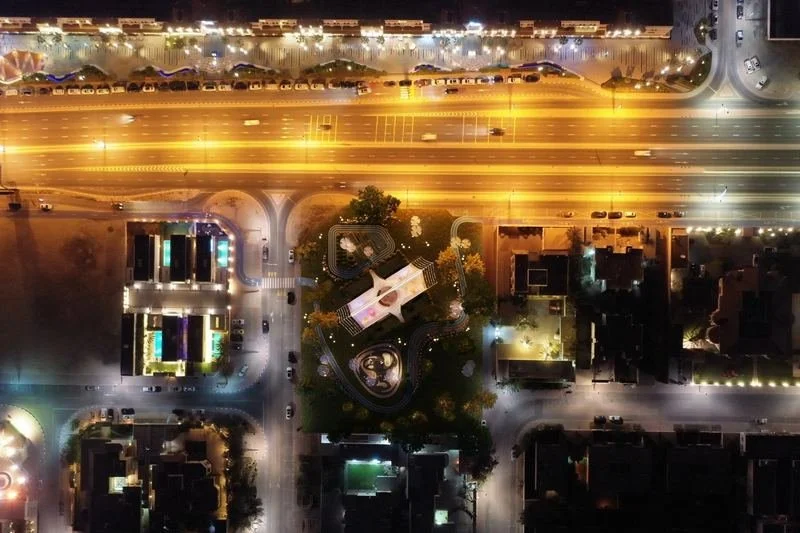
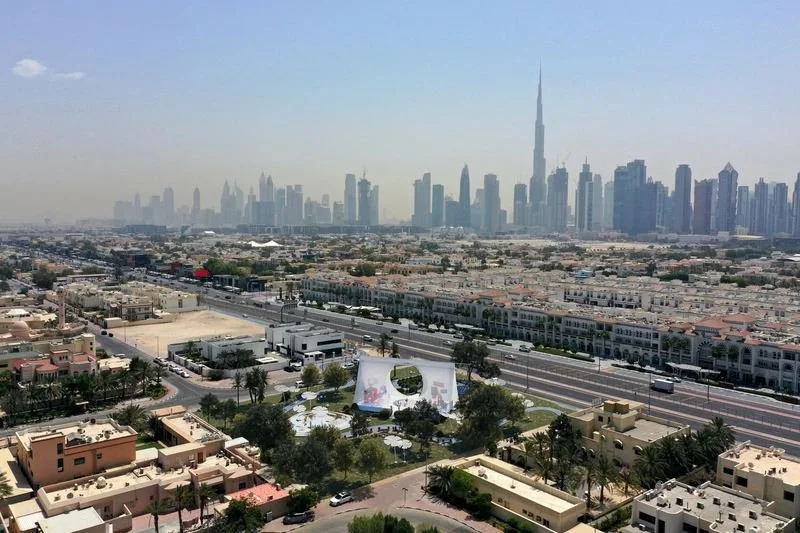
Dubai, UAE · 2020
- Year
- September 2020
- Location
- Dubai, UAE
- Site area
- 1,200 m²
- Status
- Urban proposal, unbuilt
- Type
- Educational building (nursery)
- Credit

“An oasis of knowledge in the center of Dubai.”
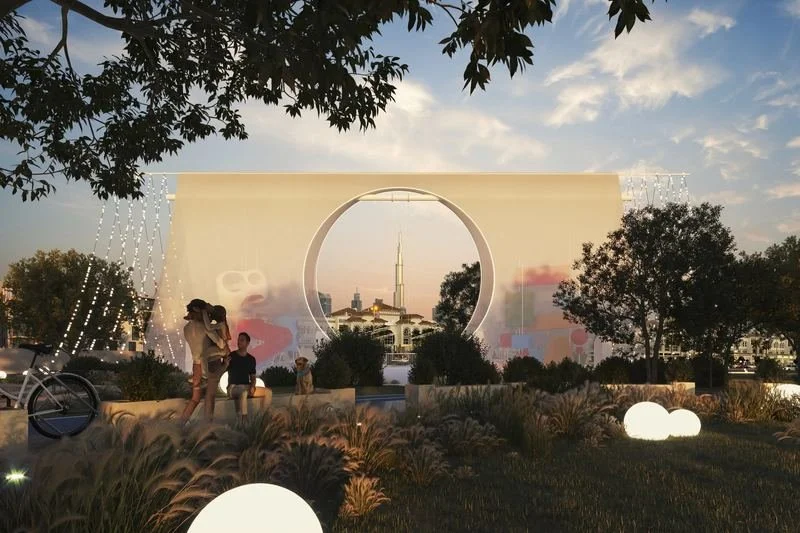
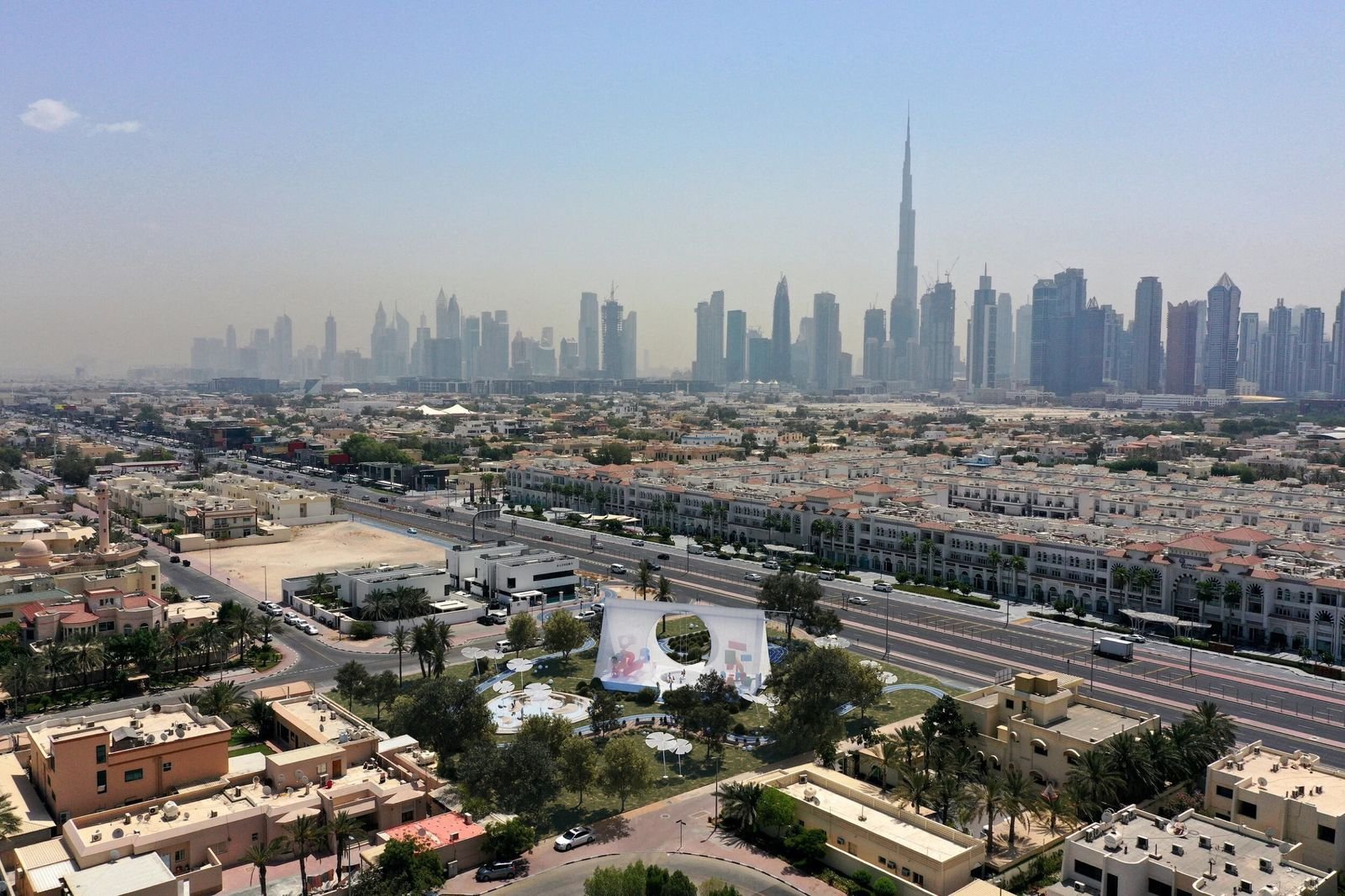
Childhood is the first memory a city gives. Al Wasl Nursery asks what that memory could be in a city of heat and sand. It is a proposal for a custom-built place of learning in Dubai. It treats architecture as something a child can touch, climb and discover.
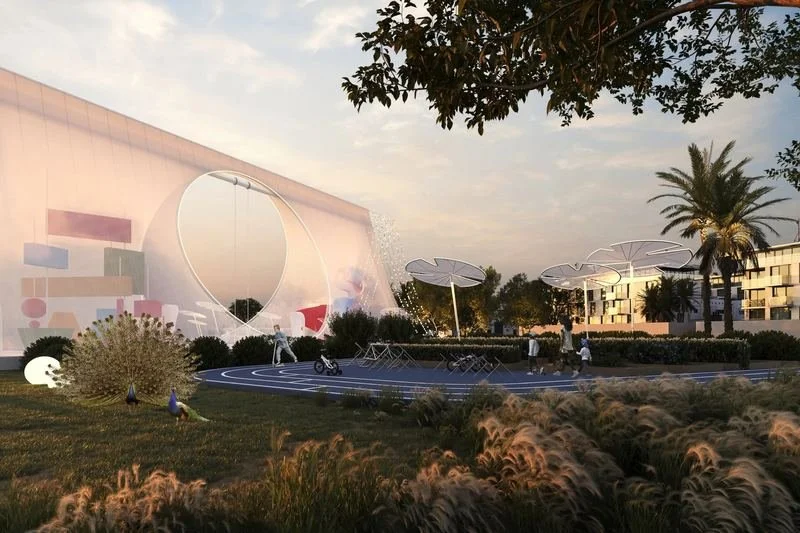
Here, the building is not only a container for lessons. It is part of the lesson. Children meet architecture and urban furniture through play. They gain independence. They learn to read the place around them. The design mixes traditional elements with modern techniques.
The tent
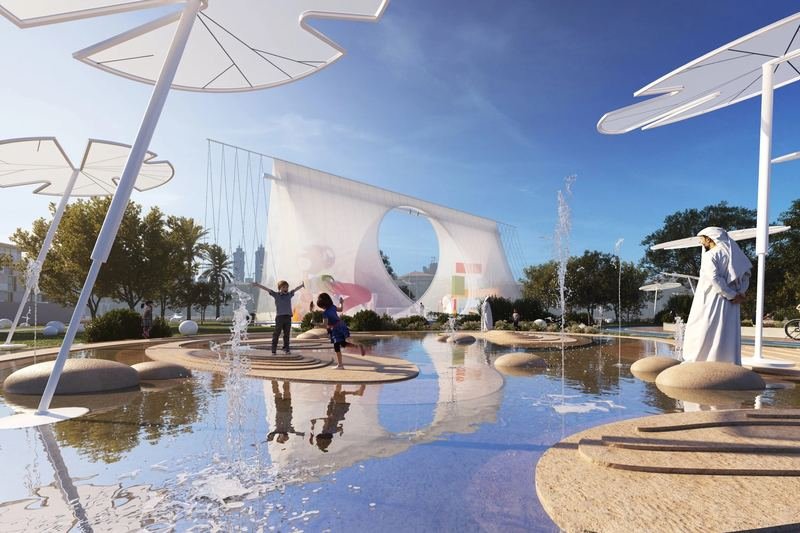
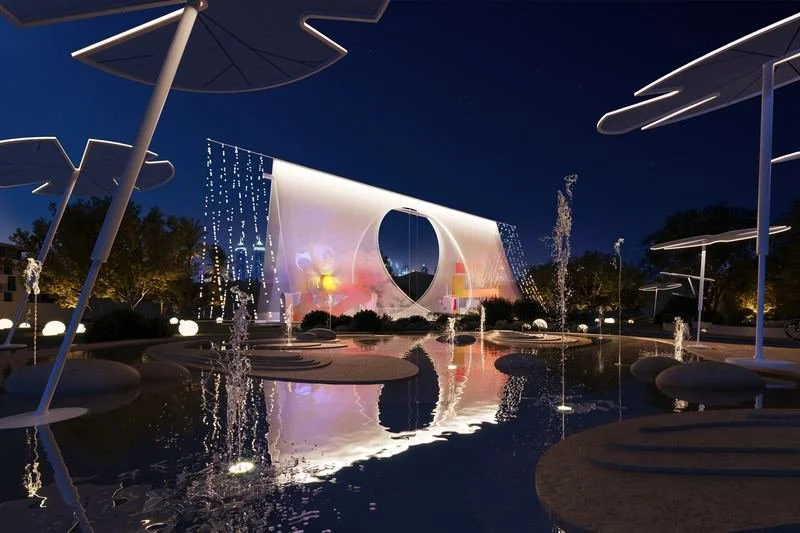
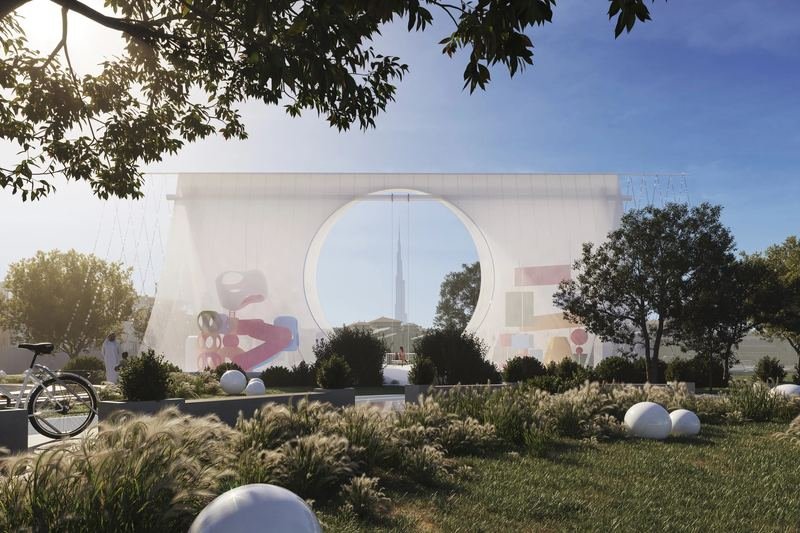
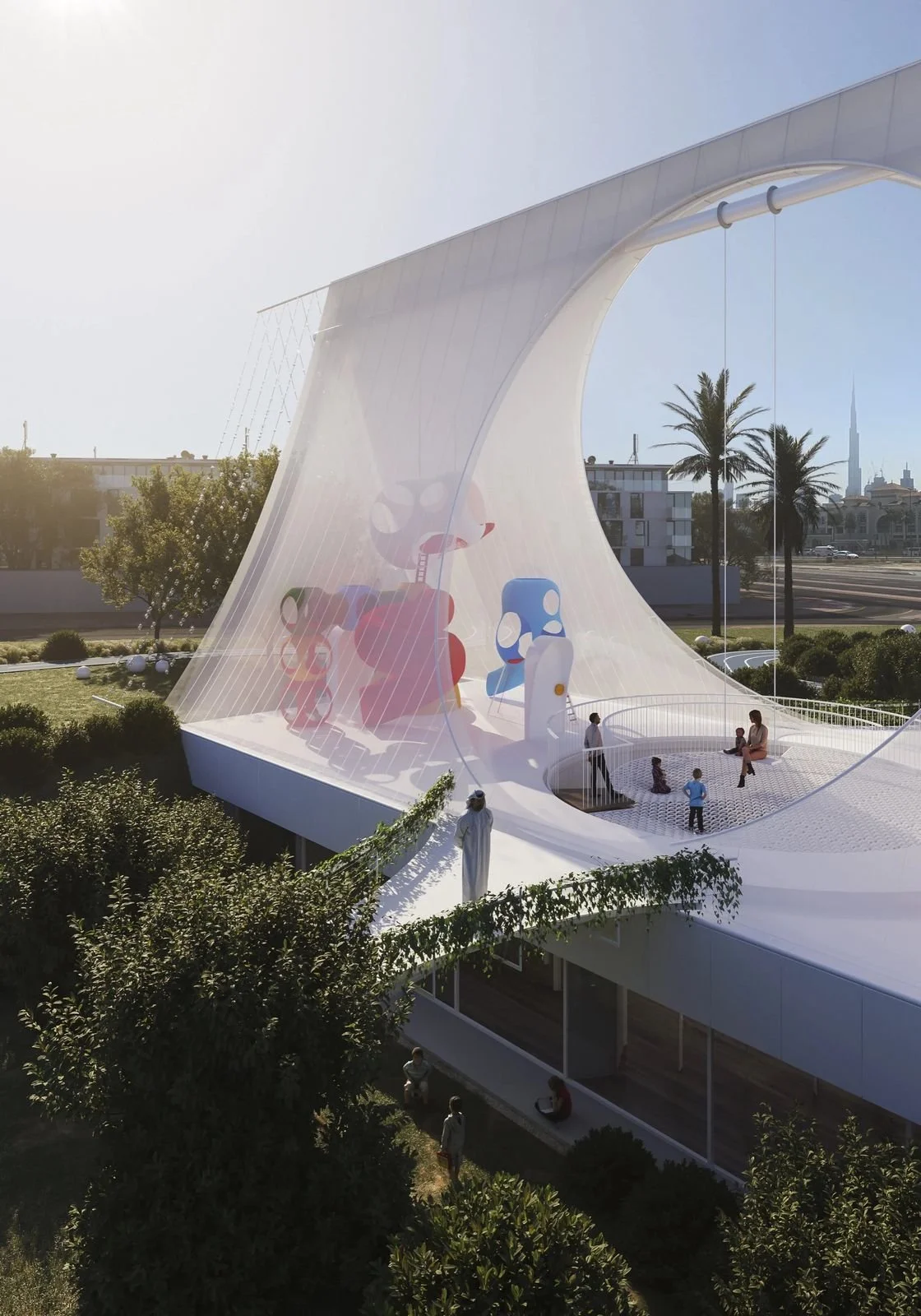
The nursery sits beneath a tent. It works like an old barjeel, the Arabian wind tower. Its first purpose is to cool the air before it enters.
The tent is made of perforated tensile fabric. Cool water slides through it. As air passes through the fabric, it cools. The perforations hold back sand and dust.
The tent is shelter and image at once. A familiar form from the past is drawn again, at the scale of a child's day.
Letting go
There is no dedicated drop-off area. This is a deliberate choice. Learning is treated as an organic process. Each child decides where to let go of a parent's hand.
It may be at the edge of the site. It may be at the door. The building leaves that small moment to the child.
The roof and the bridge
The roof is given to play. It holds a giant swing and two playgrounds. The swing is the first place children meet each other in the morning. It makes the way to school something to look forward to, for everyone.
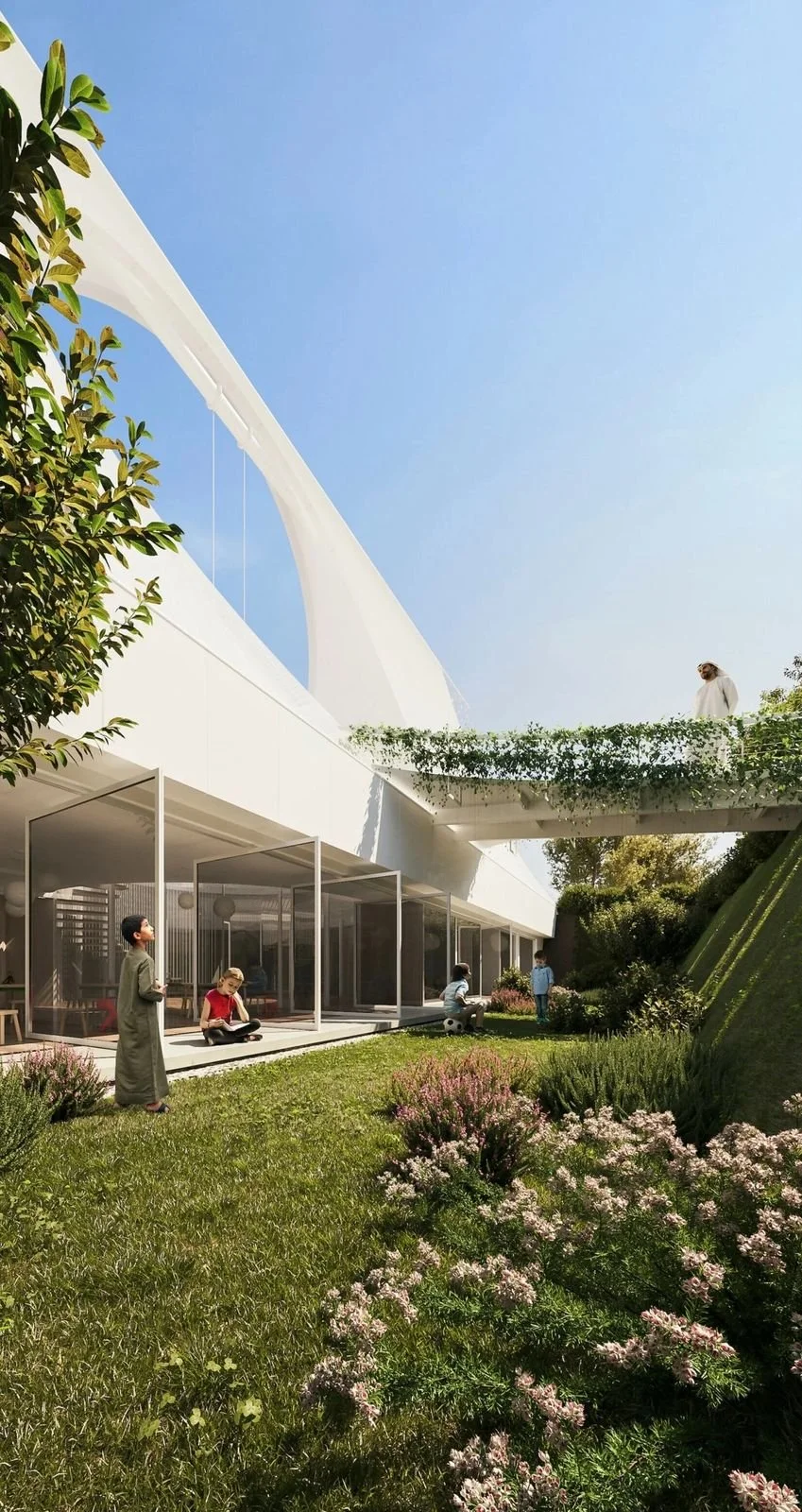
From the bridge, parents can see their children proudly showing off their skills. The bridge sets a quiet distance. Close enough to watch. Far enough to let them grow.
The rooms
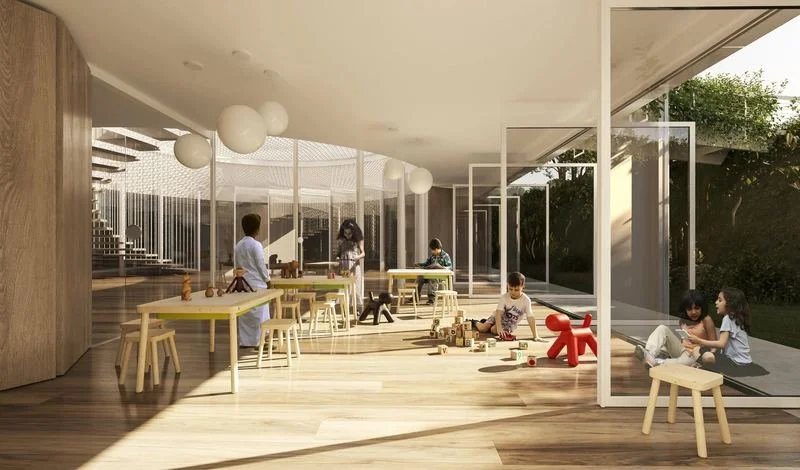
In the learning area, foldable walls move. The space can be rearranged easily, almost by instinct. The plan stays open to change, as children do.
Wooden floors and large bay windows feed the children's creativity. In here, they almost forget they are in a classroom.
Scale
The nursery is drawn at a child's height. A swing, a bridge, a fold in a wall. Each is small. Together they make a first public world.
The project remains an urban proposal. It is a question about how a city receives its youngest citizens, and what they will remember of it.
Images · 11 in all